


Self Inspections
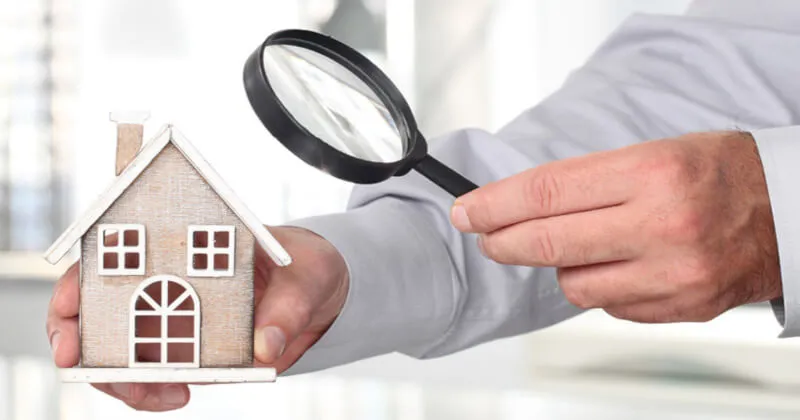
Most homebuyers share the same desire - to have their next home look as good beneath the surface as it appears to be. Buyers will normally seek professional inspectors to answer questions about leaking roofs, safe wiring, and plumbing issues.
As the Seller, you can help Buyers too. In most cases, you can make a reasonable self inspection if you know what you're looking for. You can then repair any issues prior to listing your home, or factor any costs into the list price you set.
1. Defective Plumbing
Defective plumbing can manifest itself in two different ways - leaking, and clogging. A visual inspection can detect leaking, and an inspector will gauge water pressure by turning on all faucets in the highest bathroom and then flushing the toilet. If you hear the sound of running water, it indicates that the pipes are undersized. If the water appears dirty when first turned on at the faucet, this is a good indication that the pipes are rusting, which can result in severe water quality problems.
2. Damp or Wet Basement
An inspector will examine the walls for a powdery white mineral deposit a few inches off the floor, and check to see if you feel secure enough to store things right on the basement floor. A mildew odour is almost impossible to eliminate, and an inspector will certainly be conscious of it.
The cost to seal a crack in or around your basement foundation depending on severity and location, or to add a new sump pump and pit, or complete waterproofing of an average 3 bedroom home, could be in the thousands. You will have to weigh these figures into the calculation of what price you want to net on your home.
3. Inadequate Wiring & Electrical
Your home should have a minimum of 100 amps service, and this should be clearly marked. Wire should be copper or aluminum. Home inspectors will look at octopus plugs as indicative of inadequate circuits and a potential fire hazard.
4. Poor Heating & Cooling Systems
Insufficient insulation, and an inadequate or poorly functioning heating system, are the most common causes of rising heating bills. While a fairly clean furnace without rust on the heat exchanger usually has life left in it, an inspector will be checking to see if your furnace is over its typical life span of 15 - 25 years. For a forced air gas system, a heat exchanger will come under particular scrutiny since one that is cracked can emit deadly carbon monoxide into the home. These heat exchangers must be replaced if damaged - they cannot be repaired.
5. Roofing Problems
Water leakage through the roof can occur for a variety of reasons such as physical deterioration of the asphalt shingles - curling or splitting, or mechanical damage from a wind storm. When gutters leak and downspouts allow water to trickle down, and through the exterior walls, this external problem becomes a major internal one.
6. Damp Attic Spaces
Aside from basement dampness, problems with ventilation, insulation, and vapor barriers can cause water, moisture, mould, and mildew, to form in the attic. This can lead to premature wear of the roof, structure, and building materials.
7. Rotting Wood
This can occur in many places - door or window frames, trim, siding, decks, and fences. The building inspector will sometimes probe the wood to see if this is present - especially when wood has been freshly painted.
8. Masonry Work
Re-bricking can be costly, but any cracks left unattended will cause problems with water and moisture penetration into the home. Examine the chimney as well. Parts of broken brick can tumble and clog the flue, or cause the entire chimney to fall on the roof.
9. Unsafe or Over-fused Electrical Circuit
A fire hazard is created when more amperage is drawn on the circuit than was intended. 15 amp circuits are the most common in a typical home, with larger service for large appliances such as stoves and dryers. It can cost several hundred dollars to replace your fuse panel with a circuit panel.
10. Adequate Security Features
More than a security alarm system, an inspector will look for the basic safety features that will protect your home - proper locks on windows and patio doors, dead bolts on entrance doors, smoke and carbon monoxide detectors in every bedroom, and on every level. Prices will vary per component, but will add to your overall costs. Check with your local experts before purchasing or installing.
11. Structural / Foundation Problems
An inspector will certainly investigate the underlying footing and foundation, as structural integrity is fundamental to the home.
When you put your home on the market, you can avoid any unpleasant surprises that could cost you the sale. By having an understanding of these problem areas as you walk through your home, you'll be arming yourself against future disappointment.
